Twenty years of growth. One system to hold it.
Senior Experience Designer on the design phase of CDM Smith’s multi-year Sitecore XM Cloud transformation. The system had to carry six regions, five Transformational Growth Areas, and five distinct audiences on one platform.
live site → cdmsmith.com
challenge
CDM Smith is a $1B+ global engineering firm with a stated goal to reach $2B by 2027. Twenty years of unstructured content. None of it navigable.
The redesign had to bring order to all of it without making a billion-dollar firm feel like a brochure.
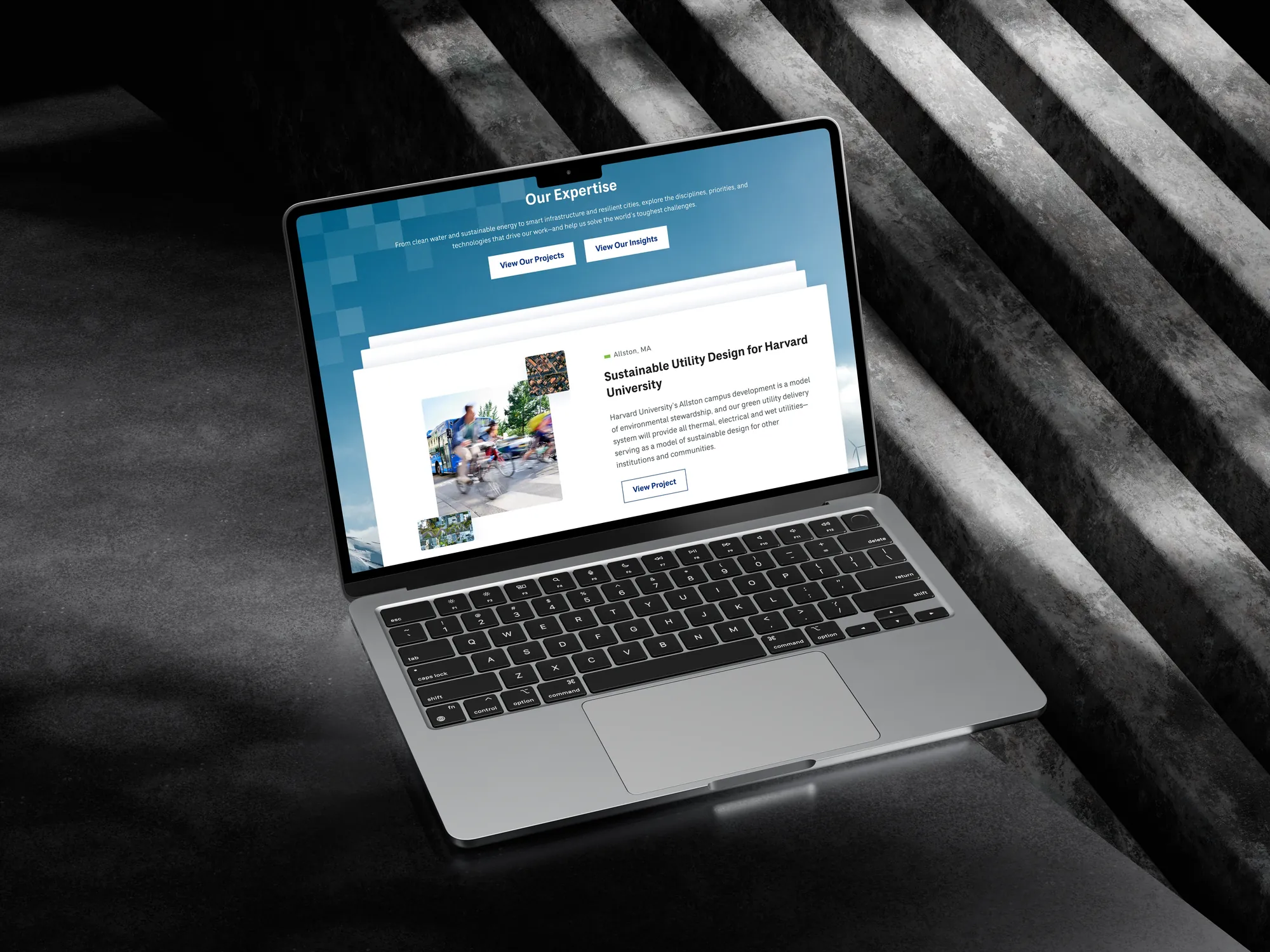
the redesigned site, across devices
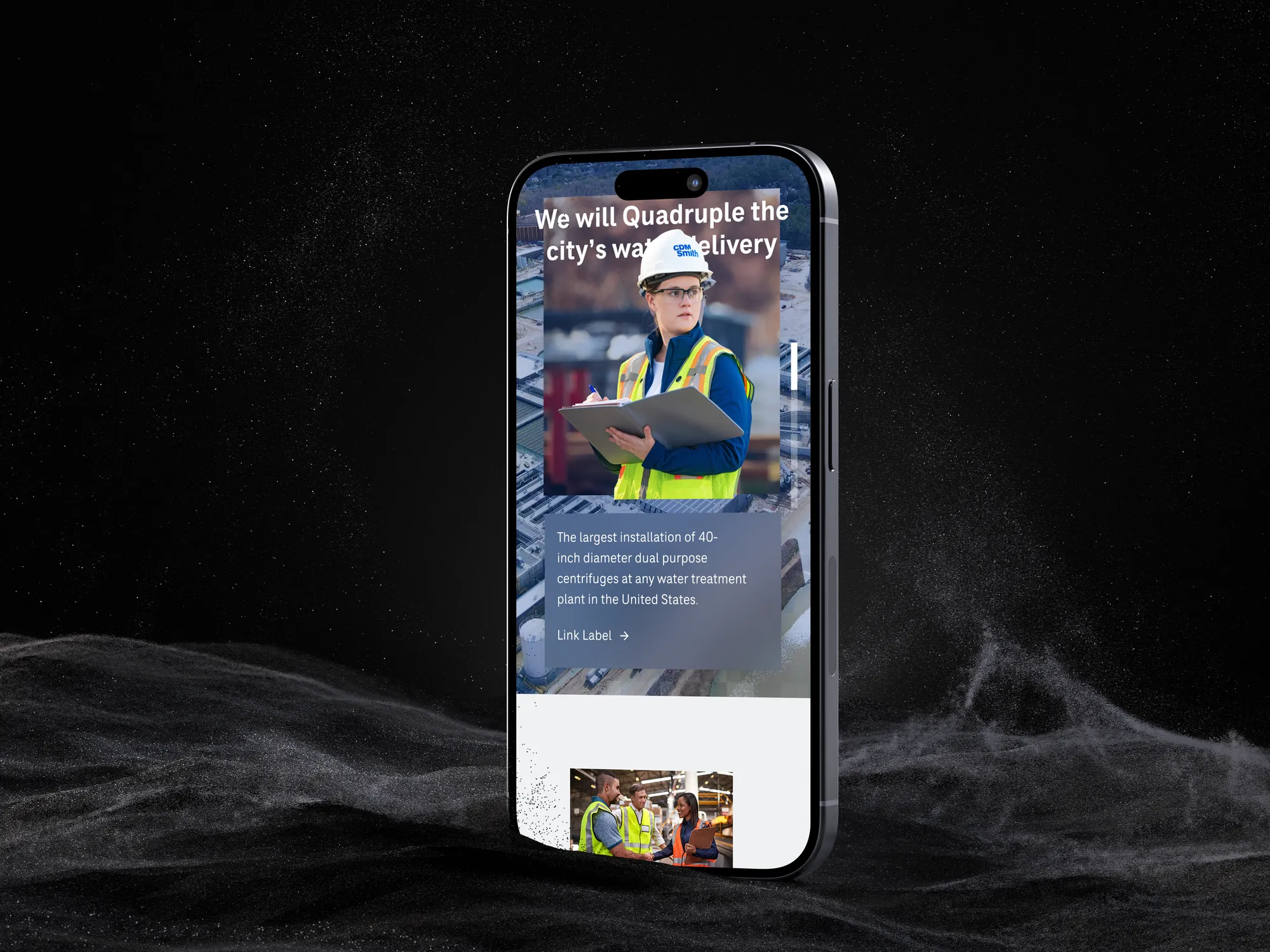
mobile redesign
The same structure that brought order to twenty years of content scales to mobile: clear navigation, regional access, and consistent templates on any screen size.
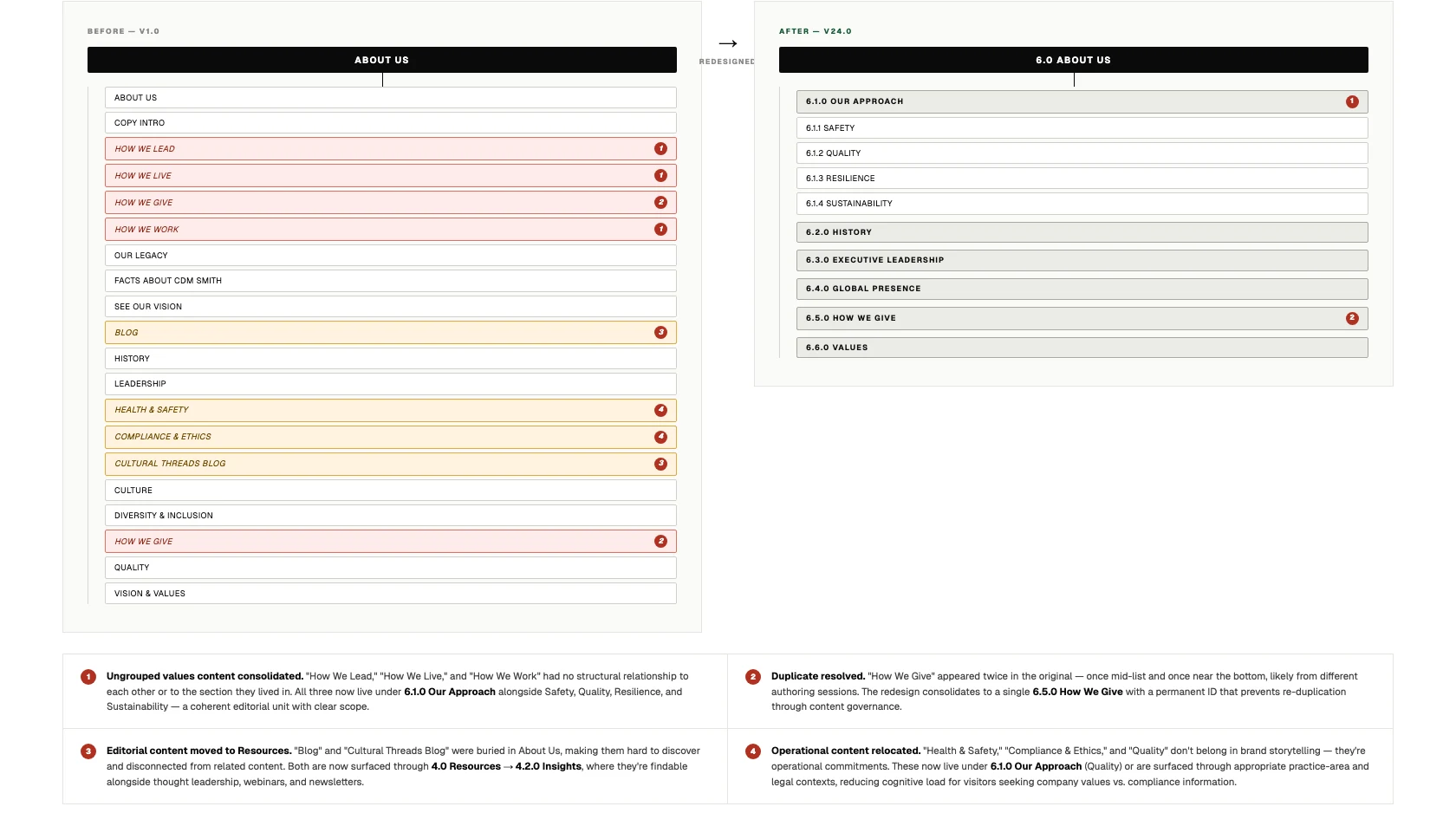
About Us: From Catch-All to Content Hub
The About Us section was the most structurally problematic area of the original site: 20 flat pages with no grouping, two duplicate entries, and a mix of brand storytelling, operational content, and campaign pages all at the same level. The redesign introduced 6 parent sections with clear scope, eliminating duplicates and giving editors a governance model they could maintain.
Expertise: From Three Silos to One Hub
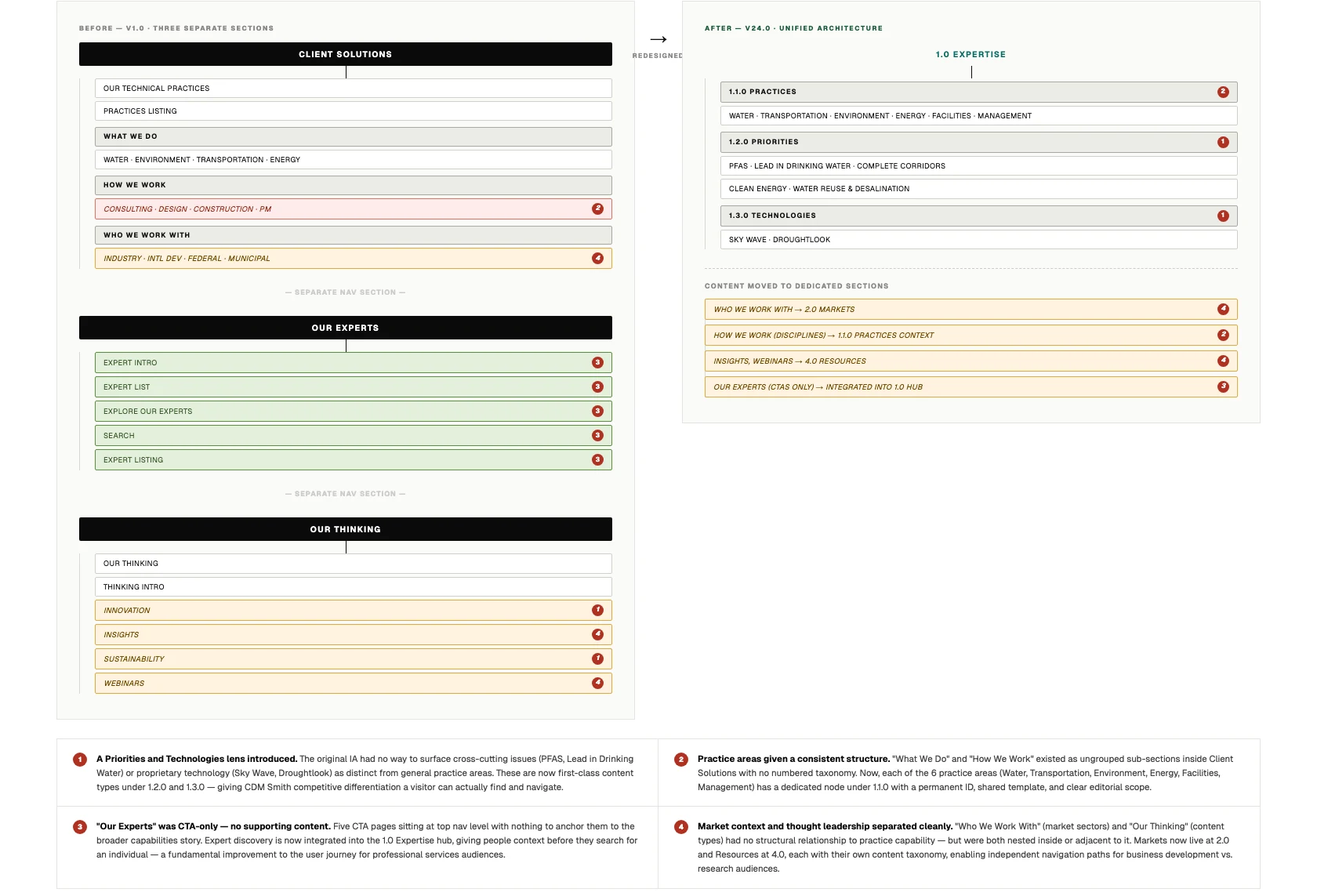
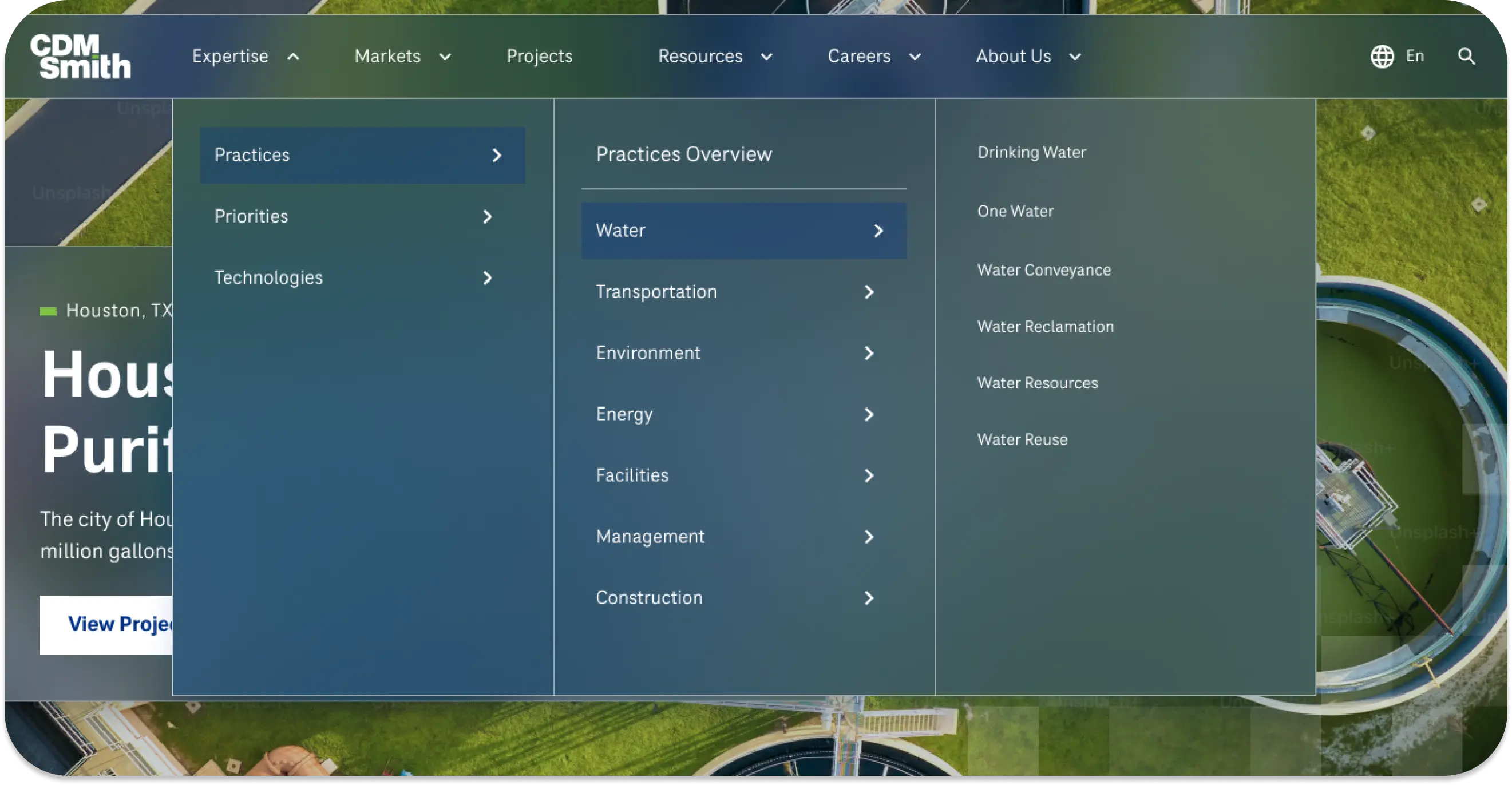
In v1.0, expertise was fragmented across three separate top-level sections: Client Solutions (capability), Our Experts (people), and Our Thinking (content). None of them connected through navigation. A user researching CDM Smith’s water practice had to visit three different nav items to understand the full picture. The redesign unifies all three under a single 1.0 Expertise section, introduces a Priorities and Technologies lens, and moves market context and thought leadership to their own dedicated sections.
strategic foundation
Discovery synthesized a five-persona audience model with explicit jobs to be done: Partner in Their Vision for sustainability and innovation influencers. Create Confidence for senior directors. Enable Outcomes for project-manager doers. Create Connection for new-to-career talent. Demonstrate Opportunity for mid-career talent.
Quoted in the Focus Session deck, from Julia Forgas, CMO: “We don’t come at every nail with the same hammer. We listen, we think before we come with the solution.” That became the brand voice the digital experience had to carry.
how the work operated
Verndale ran two parallel workstreams: monthly Optimization on the live site (technical SEO, GA4 cleanup, content performance), while Discovery, Pre-Design, Design, and Build prepared the next-phase transformation.
Pre-Design ran 58 days through April 2025 and included recorded country-manager interviews with Australia, Latin America, Middle East, and Poland. Audience Research delivered a 61-page synthesis. Design Phase ran four sprints each of UX wires and visual designs across May to August 2025, with Build overlapping to compress the total timeline.
deep dive 01: multi-region governance
CDM Smith doesn’t operate as one firm with one website. It operates as six regional realities under one brand: Australia, Europe, Germany, Global, Middle East, Poland. Each has different practices, leadership, and growth strategies.
The IA had to honor every region without fragmenting into six microsites. One template family. Distinct regional codes. Every market landing page anchored by a person to contact. Practices and TGAs surfaced consistently.
deep dive 02: the four template categories
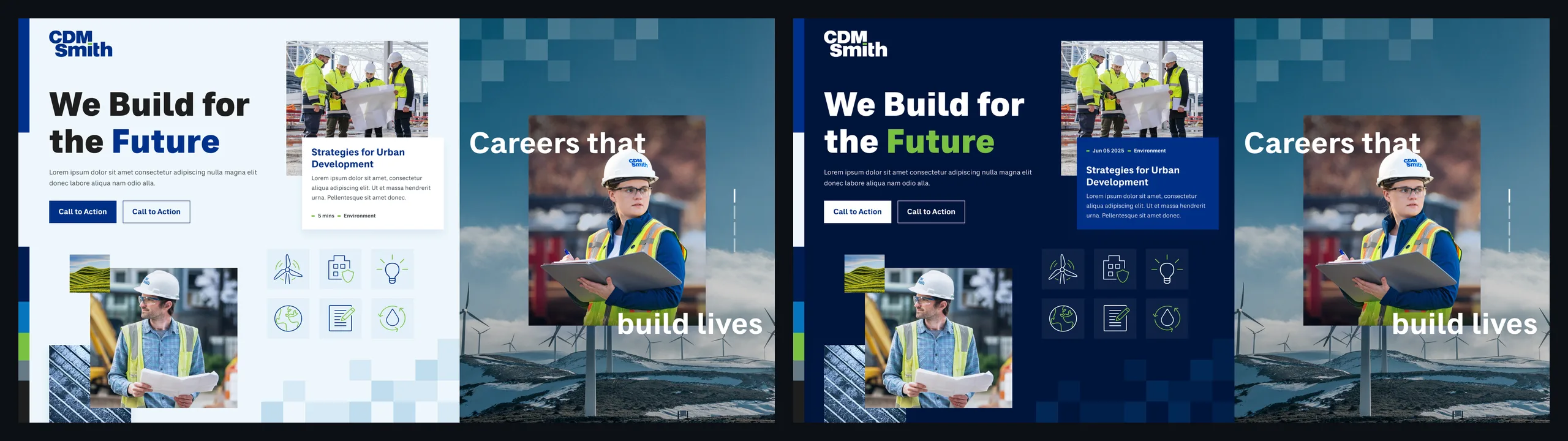
The Pre-Design Envision named the categorization framework: every template falls into one of four jobs-to-be-done classes.
Built to Inform: Project Detail, News Detail, Expert Bios. Long-form proof, impact, and expertise.
Built for Exploration: Global and Regional Home Pages. Tailored navigation, brand intro, regional relevance.
Built for Conversion: Innovation, Services, TGA Pages. Focused on the five Transformational Growth Areas.
Built for Discovery: Resource Library, News, Insights. Filterable by TGA, sector, content type.
deep dive 03: the tech architecture
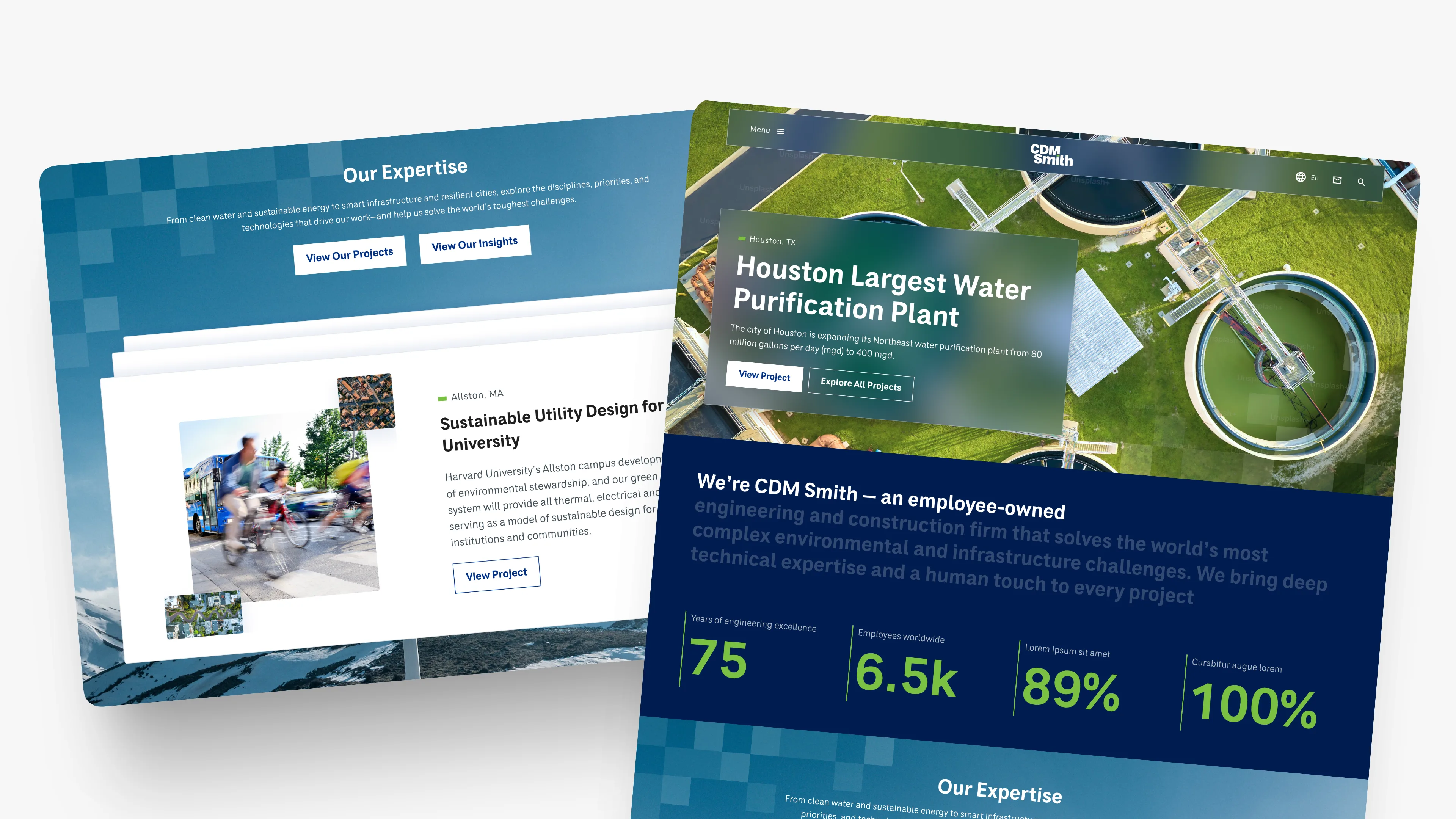
The work was a complete redesign and a full CMS replatform, from a legacy system to Sitecore XM Cloud, with Search, Personalize, Experience Edge, and Vercel as the headless rendering host.
The legacy pain points were operational, not just cosmetic. Page loads of 7 to 8 seconds, no content versioning, no publish workflow. Solving these meant pulling content governance and workflow into the design scope.
system surfaces
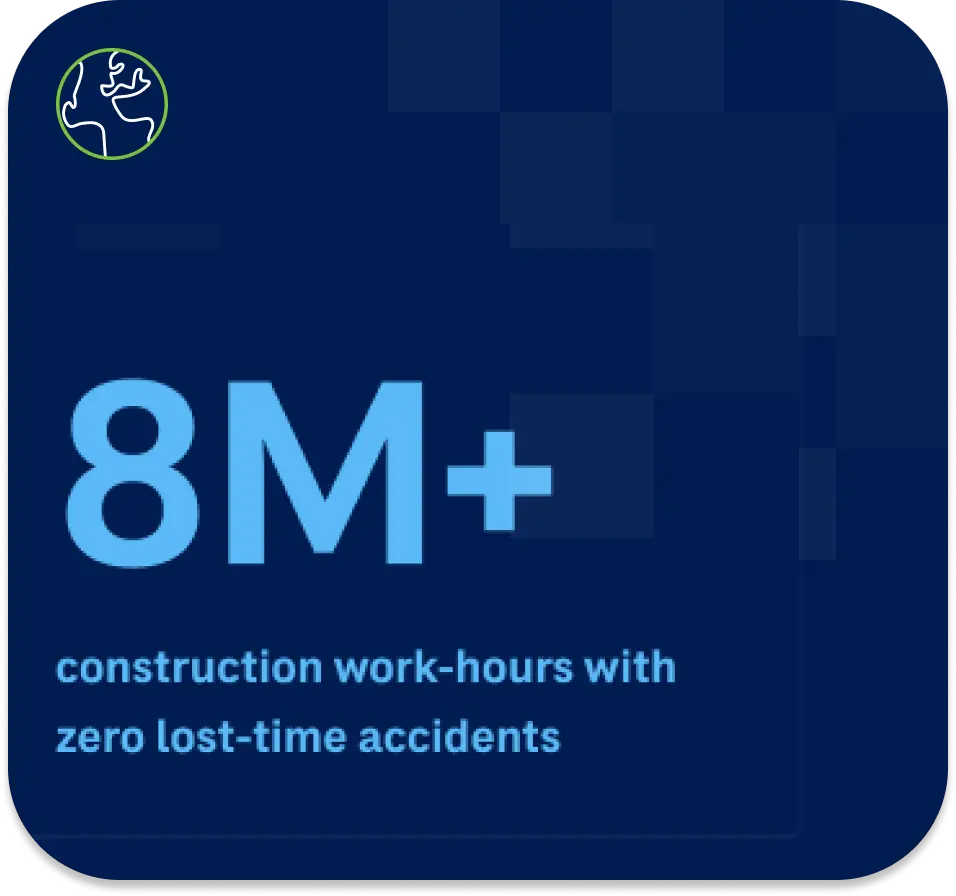
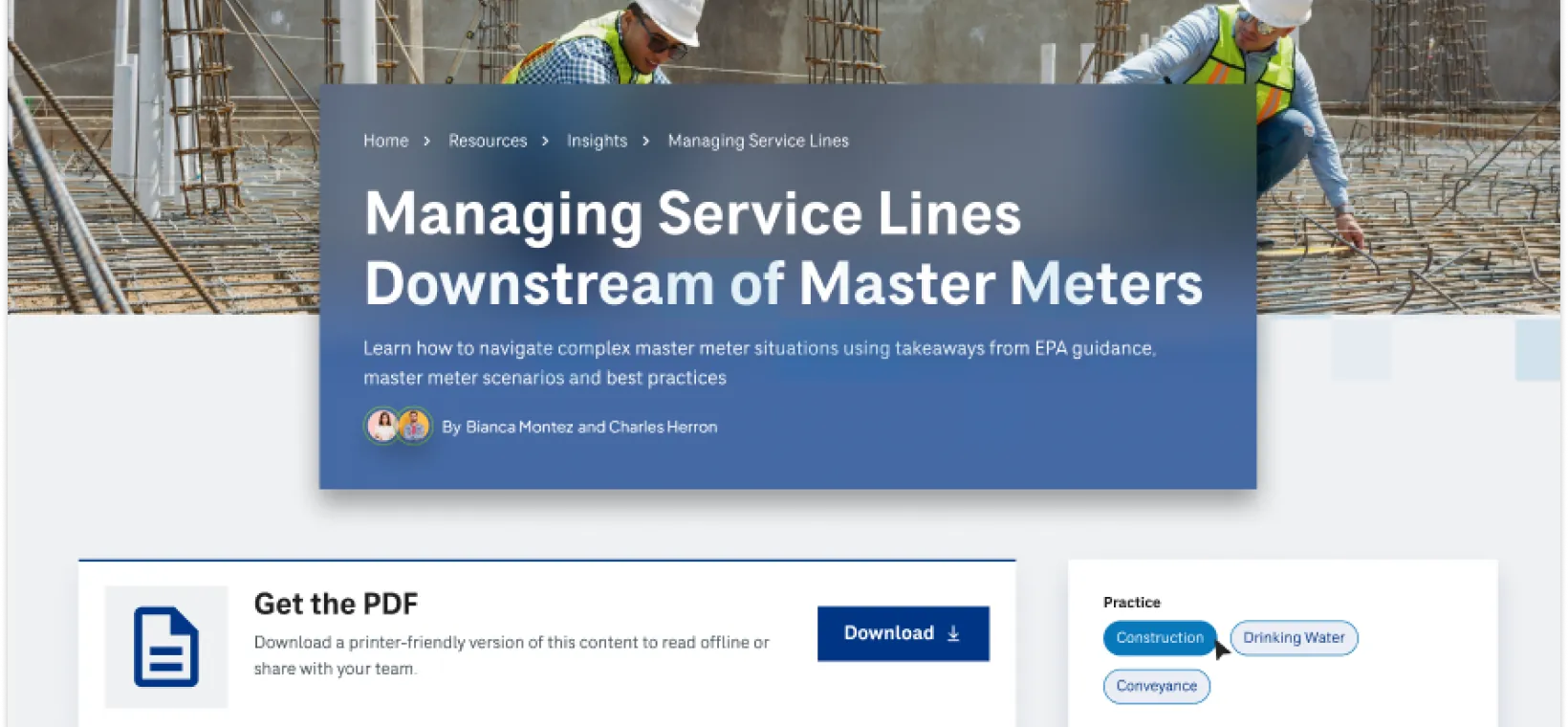
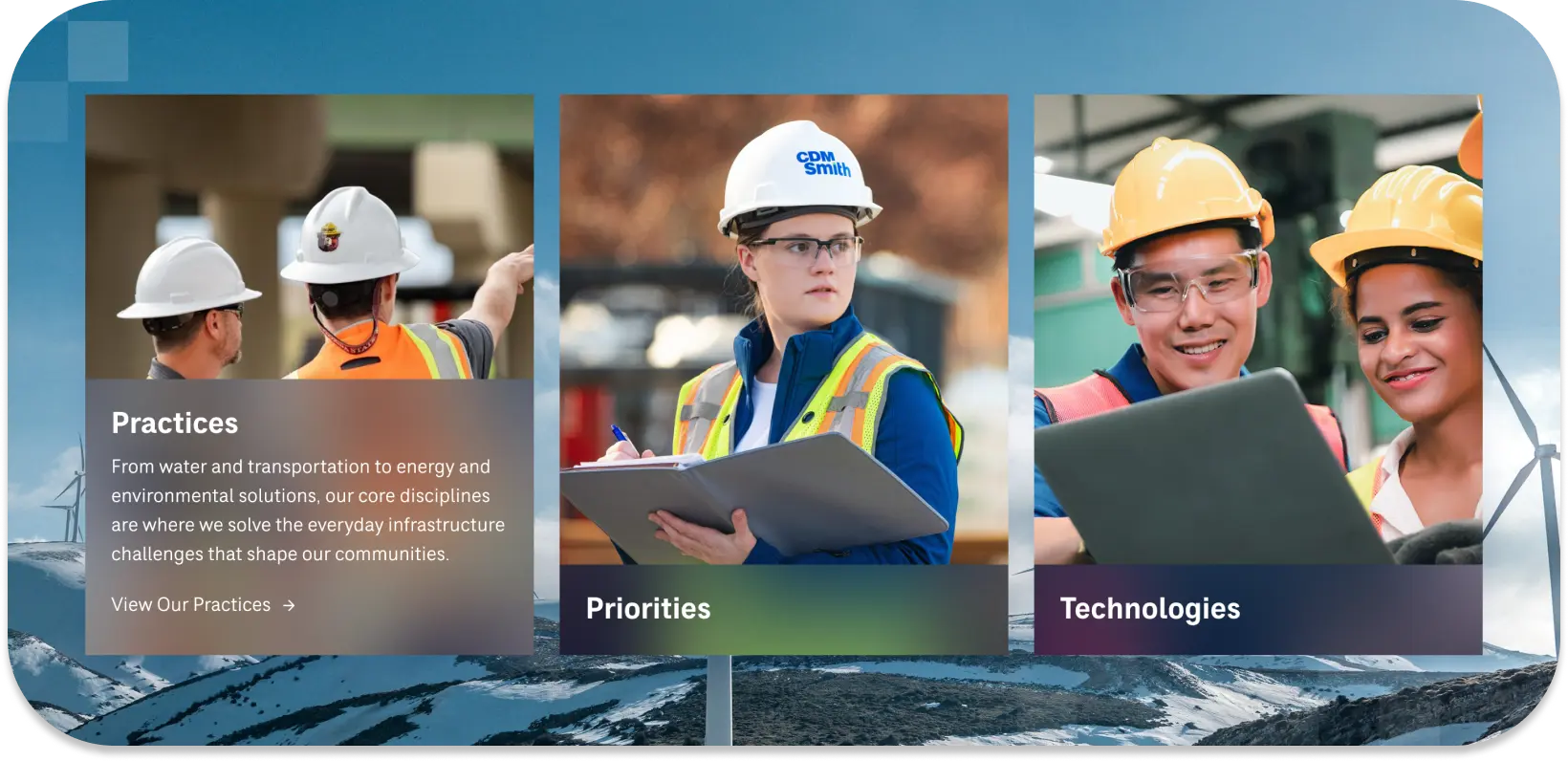
design details: new global site redesign
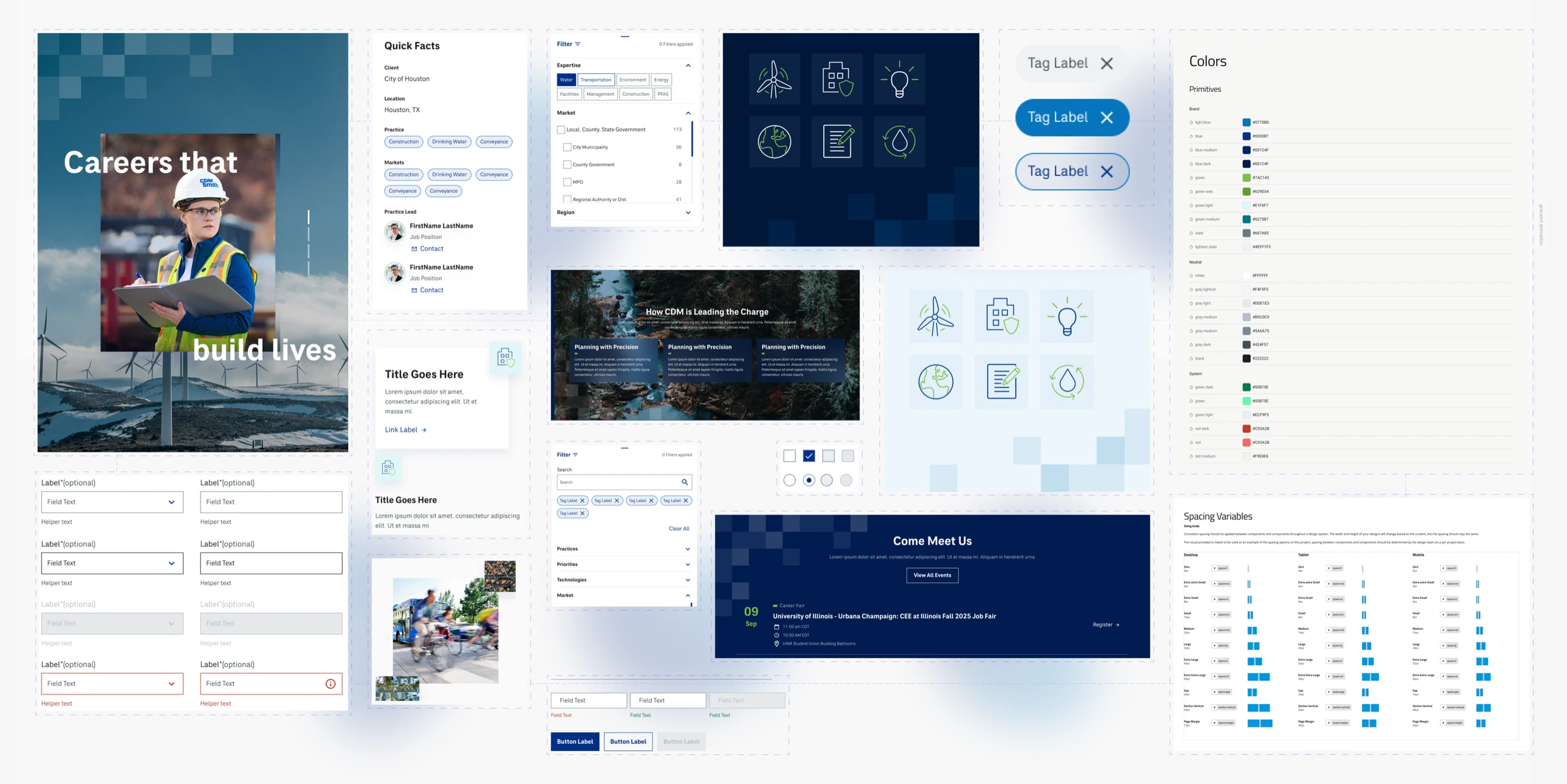
A design guide and component library, built to last.
Beyond the screens, I helped build the design guide the platform runs on: a type ramp, color tokens, a spacing scale, responsive grids, and 67 components, so six regions and an internal team can maintain one consistent system long after launch.
Critique that survived the design.
We presented mood boards. The client came back with hard feedback: “The designs don’t feel digital leader or indicate innovative AEC firm.” The blue-green brand wasn’t reading. Innovation wasn’t reading.
The team came back with round 2. Not just iteration but a reframe. Innovation cues moved into interactivity and animation. The system had to feel as innovative as the firm wants to be perceived.
The system was built to grow without us: across regions, growth areas, and an internal team that maintains it.design intent, cdm smith digital platform
result
13
page templates organized into four jobs-to-be-done categories.
67
components fully documented for engineering handoff.
6
regions in scope: Australia, Europe, Germany, Global, Middle East, Poland.
live
shipped on Sitecore XM Cloud at cdmsmith.com.
Three calls that shaped the system.
Templates organized by job, not by content type.
Built to Inform, Built for Exploration, Built for Conversion, Built for Discovery. Every template maps to a business outcome it has to support.
Six regions in one IA, not six microsites.
Regional country-manager interviews surfaced the strategic differences. The IA honors them with one template family and distinct regional codes.
Workflow + governance moved into design scope.
Legacy CMS allowed any author to publish unreviewed. A real legal risk. We pulled content workflow, versioning, and DAM integration into the scope, not the “fix later” pile.